

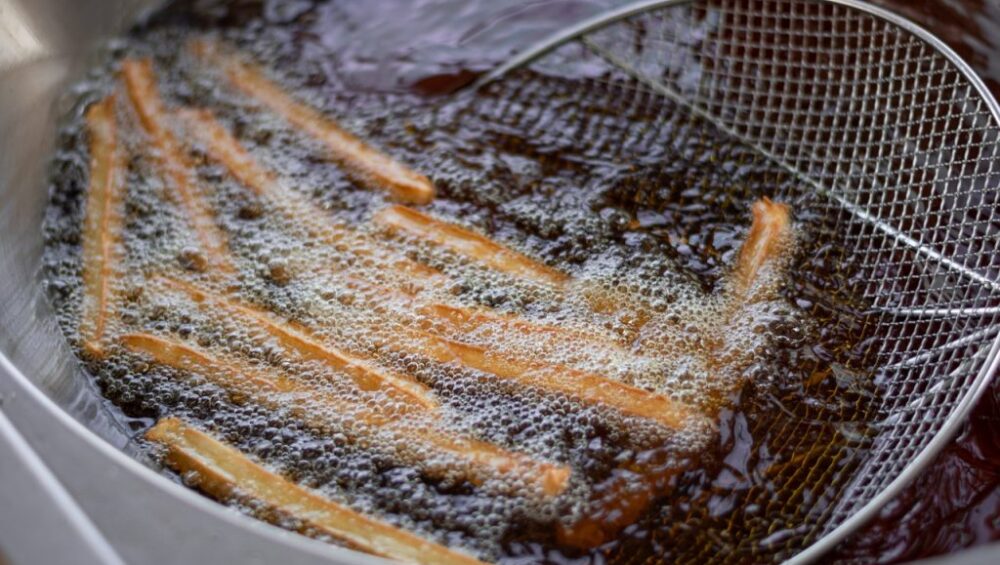

Deep-frying foods is not a modern food-prep method. It has been in practice for centuries and may have started with the Egyptians, Greeks or Romans. Today you can see variations in how it’s done among different cultures, but the end product is similar.
Deep-frying provides a certain level of simplicity to meal preparation. With it comes the ability to prepare larger portions, more focus on crispiness versus doneness, a flavor profile dominated by how the batter is seasoned, and a blissful disregard for the saturated fat oils that cook them best. Deep-fried foods are also fun! They usually don’t require utensils to eat them; the textures are appealing to the eyes, they keep well during trips, they pair well with most side dishes, and then there’s the oh so important crunch.
When I was a child, I was made to eat boiled okra; boiled okra! In my mind at that time, It was the worst vegetable on the planet, texture-wise. And then one day I was in the elementary school lunch line and happened to see a deep-fried side dish option. I wasn’t quite sure what it was, but it was deep-fried and crunchy so I gave it a whirl… Wouldn’t you know it; it was deep fried okra! In that one moment, my opinion of it changed, and I have enjoyed okra (not boiled) ever since. One side note, my pescatarian journey led me to a recipe where it called to roast okra in the oven. Roasted okra makes for a great nutrient-rich side dish or maybe a healthy snack for a later.
Just about everything can be deep fried. But the real question is should it be? If you are preparing for or going through the apocalypse, then by all means deep fry everything. But if you want to preserve flavor, nutritional value and texture, it is worth the time it takes to prepare the food in a way that ensures you get all that it has to offer.
Salmon is one of those foods. It is like a prime cut of steak, cooked to a certain temperature, and then the preparer determines the doneness level that suits their palate. The optimal flavor balance is usually achieved in the “medium” range.
Salmon is an oily fish that is packed with nutrients and flavor. If you deep-fry it, you risk losing many of its nutrients to the oil that it is being cooked in. Its flavor will also be reduced due to the high heat that cooking oils require. Retaining salmon’s rich flavor profile is paramount to its enjoyment. Just ask the millions of people who eat it every year.
Searing, grilling, cold-smoking, sous vide, broiling, and baking are the popular ways to prepare salmon. Avoid deep-frying unless of course you were “Left Behind“… Reference


