
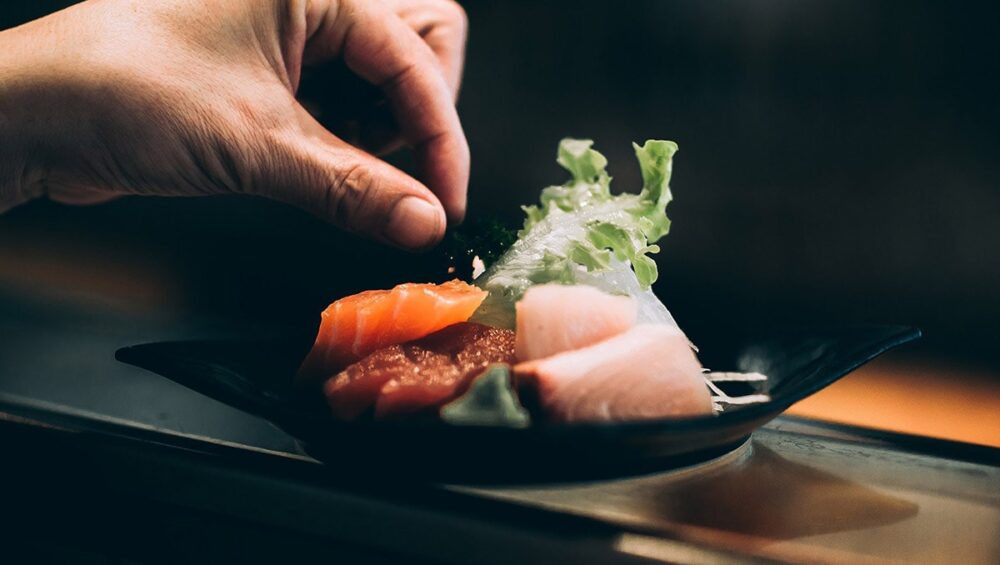
Pescatarian Health Benefits

Pescatarianism is an increasingly popular diet. It allows you to eschew any moral issues with eating meat made from mammals while still enjoying a finely seared salmon. But what does that mean for your health? Thankfully, choosing a pescatarian diet comes with many health benefits.

Lose Weight More Easily

For one thing, a pescatarian diet contains fewer saturated fats, making it healthier than meat in that regard. What’s more, instead of consuming an endless amassment of meat, eating fish can make it easier to lose weight.

Protect Against Cancer

A UK study has found that eating fish may lower your risk for certain cancers. This is especially true for colorectal and prostate cancer.

Protect Against Diabetes and Other Conditions

The health benefits of eating fish don’t stop there. There is also evidence to suggest that eating fish can also lower your risk of contracting Type 2 diabetes. In addition, it can also lower your risk of metabolic syndrome, which can increase your chances of suffering from high blood pressure, obesity, or insulin resistance. Finally, there is evidence to suggest that a pescatarian diet may help manage inflammation.

In short, while there’s no such thing as a miracle cure and balanced diets are the key to any healthy lifestyle, eating fish can seem to have nearly as many benefits as there are fish in the sea. Tab

Is There a Fish That Can Be Eaten Daily?

Eating fish as a pescatarian or just part of a daily diet can be a delectable, healthy experience. However, for either of those propositions to be true, you need to make sure that it’s a fish you can indeed eat on a daily basis. Thankfully, these fish can be eaten on a daily basis without too much in the way of health trouble, in large part to their health benefits.

1. Salmon. The flesh of this oily fish has a characteristic orange-to-red color. Salmon is a rich source of omega-3 fatty acids, B vitamins (especially vitamin B12 at 133% of the daily value [DV]), selenium, and phosphorus.

2. Mackerel. This is an oily fish but a reasonably healthy one that is rich in omega-3 fatty acids as well as vitamin D, phosphorus, and magnesium. That said, it spoils quickly so eat it sooner rather than later.

3. Herring. This fish is rich in vitamin B12 as well as phosphorus. It can be pickled, fried, or prepared any number of other ways, making it very versatile.

4. Tuna. This is another fish rich in phosphorous and vitamin D. It is also extremely cheap in the US, Canada, and Europe.

5. Trout. The humble trout is low in calories while being high in protein. In addition, it’s yet another good source of vitamin B as well as omega-3 fatty acids.

Each of these fish can be a healthy choice for your daily fish diet. Xi

To Deep-fry Salmon or Not Deep-fry Salmon, That is The Question…

Deep-frying foods is not a modern food-prep method. It has been in practice for centuries and may have started with the Egyptians, Greeks or Romans. Today you can see variations in how it’s done among different cultures, but the end product is similar. 

Deep-frying provides a certain level of simplicity to meal preparation. With it comes the ability to prepare larger portions, more focus on crispiness versus doneness, a flavor profile dominated by how the batter is seasoned, and a blissful disregard for the saturated fat oils that cook them best. Deep-fried foods are also fun! They usually don’t require utensils to eat them; the textures are appealing to the eyes, they keep well during trips, they pair well with most side dishes, and then there’s the oh so important crunch.

When I was a child, I was made to eat boiled okra; boiled okra! In my mind at that time, It was the worst vegetable on the planet, texture-wise. And then one day I was in the elementary school lunch line and happened to see a deep-fried side dish option. I wasn’t quite sure what it was, but it was deep-fried and crunchy so I gave it a whirl… Wouldn’t you know it; it was deep fried okra! In that one moment, my opinion of it changed, and I have enjoyed okra (not boiled) ever since. One side note, my pescatarian journey led me to a recipe where it called to roast okra in the oven. Roasted okra makes for a great nutrient-rich side dish or maybe a healthy snack for a later.

Just about everything can be deep fried. But the real question is should it be? If you are preparing for or going through the apocalypse, then by all means deep fry everything. But if you want to preserve flavor, nutritional value and texture, it is worth the time it takes to prepare the food in a way that ensures you get all that it has to offer.   

Salmon is one of those foods. It is like a prime cut of steak, cooked to a certain temperature, and then the preparer determines the doneness level that suits their palate. The optimal flavor balance is usually achieved in the “medium” range. 

Salmon is an oily fish that is packed with nutrients and flavor. If you deep-fry it, you risk losing many of its nutrients to the oil that it is being cooked in. Its flavor will also be reduced due to the high heat that cooking oils require. Retaining salmon’s rich flavor profile is paramount to its enjoyment. Just ask the millions of people who eat it every year.  

Searing, grilling, cold-smoking, sous vide, broiling, and baking are the popular ways to prepare salmon. Avoid deep-frying unless of course you were “Left Behind“…   Reference

Pescatarian Health Benefits

Pescatarianism is an increasingly popular diet. It allows you to eschew any moral issues with eating meat made from mammals while still enjoying a finely seared salmon. But what does that mean for your health? Thankfully, choosing a pescatarian diet comes with many health benefits.

Lose Weight More Easily

For one thing, a pescatarian diet contains fewer saturated fats, making it healthier than meat in that regard. What’s more, instead of consuming an endless amassment of meat, eating fish can make it easier to lose weight.

Protect Against Cancer

A UK study has found that eating fish may lower your risk for certain cancers. This is especially true for colorectal and prostate cancer.

Protect Against Diabetes and Other Conditions

The health benefits of eating fish don’t stop there. There is also evidence to suggest that eating fish can also lower your risk of contracting Type 2 diabetes. In addition, it can also lower your risk of metabolic syndrome, which can increase your chances of suffering from high blood pressure, obesity, or insulin resistance. Finally, there is evidence to suggest that a pescatarian diet may help manage inflammation.

In short, while there’s no such thing as a miracle cure and balanced diets are the key to any healthy lifestyle, eating fish can seem to have nearly as many benefits as there are fish in the sea. Tab

Top Five Rated Fish by Taste

Whether you’re on a pescatarian diet or simply like the taste of fish, you’re always in search of the catch

of the day. So which fish rank the best taste-wise and what makes them such a great catch?

1. Swordfish. If you only know swordfish for their funny long noses, a password, or the 2001 film, that’s a shame because they’re incredibly delectable in their own right. Swordfish meat is sometimes called “the steak of the sea” due to its density, making for a hearty fishy meal.

2. Halibut. By contrast, halibut tends to be quite light and flaky. If you like a lighter fish meal, chances are that you’ve tried halibut before; if not, you should.

3. Cod. From classic English fish and chips to its New England equivalent, cod is a mainstay of restaurants across the world, offering a light and flaky taste that’s perfect for a fry-up.

4. Yellowtail. This classic Japanese fish is rich, is fatty, and can be pan fried or grilled to perfection. What’s more, it’s a little subtler than your traditional fish dish.

5. Salmon. No list of great tasting fish could possibly be complete without arguably the most famous edible fish in the world. From Alaska and the Pacific Northwest to Scandinavia to Russia, salmon is rich, buttery, and dense. It can be prepared any number of ways for a culinary treat that’s second to none.

Any one of these fish dishes is a great catch of the day any day.

Which Is Better, Fresh or Saltwater Fish?

The poet William Cowper famously declared that “Variety is the spice of life” and that’s certainly true when it comes to fish dishes. Between fresh and saltwater varieties, there are countless possibilities for which catch of the day can make its way to your plate. But which should you choose?

The Case for Saltwater Fish

There is no denying that saltwater fish have a certain exotic aura about them. Chances are good that you’ve already tried some freshwater fish in your life because they are easy to “farm.” By contrast, good saltwater seafood can come in a wide range of flavors from all over the world. What’s more, it often has larger bones and is thus easier to debone.

The Case for Freshwater Fish

However, if you don’t like a salty, briny taste in your food, you’ll almost certainly want to go for freshwater fish. What’s more, if they are “farmed” locally, there is a fair chance that freshwater fish may cost less than their more exotic and thus often more expensive saltwater counterparts.

Ultimately, as with most culinary decisions, the question of fresh vs. saltwater fish is a matter of taste and there’s a healthy variety of each from which to choose.

Is Gator Meat and Other Seafood Pescatarian?

As pescatarian diets start to gain in popularity, the question of what exactly they entail is bound to become more complex. Such is the case with this quandary – can you eat other seafood-based animals besides fish while being properly pescatarian?

A New Dieting World (and Word)

Part of the confusion over this dietary definition is that the definition itself is relatively new, with Merriam-Webster dating its usage to just 1991. That same definition points out that “pescatarian” comes from the Italian word for fish, “pesce,” which itself comes from Latin’s “piscis.” If you’ve ever wondered why the astrological sign “Pisces” is two fish, you now have your answer.

Different Interpretations

However, that leaves the question of eating other types of seafood such as shellfish and gators while “pescatarian” unclear. A strict etymologist might argue that “pescatarian” being connected to “pesce/piscis” and thus just “fish” might mean that the answer is no. Other definitions, however, include shellfish without any qualms about it, basically equating “pescatarian” with (presumably non-mammalian) “seafood.”

As for gators, that’s also up to interpretation and given their higher cognitive faculties than your average fish or shrimp, more pescatarians might balk at that. Still, for what it’s worth, at least some Catholics have sanctioned gator as seafood for Lent. Ultimately, “pescatarian” is a new definition and it’s up to you to build your own. ;text=Accordin

Why Is Protein Intake So Important To A Healthy Diet?

The functions of proteins are so numerous, that it would require many blog posts to sufficiently cover them all. Here is a shortlist of some of the most important functions they perform.

  • Proteins contribute to cell growth, maintenance and repair.

Our bodies are constantly regenerating its cells. Each organ has its own cell life cycle.

  • Proteins act as enzymes and hormones.

Proteins perform the very important role of facilitating chemical reactions that encourage growth, development and maintaining homeostasis.

  • Proteins help maintain fluid and electrolyte balance.

Proteins naturally attract fluids; so they assist in maintaining the proper fluid levels and electrolyte balance outside and the inside of a cell.

  • Proteins boost the immune system.

I’m sure everyone has heard the word antibodies, considering the challenge that we are facing today. Antibodies are proteins. “If we do not consume enough protein, our resistance to illnesses and disease is weakened.”

  • Proteins serve as an energy source.

It is not the ideal energy source for the body, but in a starvation situation, the body will pull proteins from body organs and send it to the brain. It is important to consume an adequate amount of protein so that the body won’t resort to the vital organs for it.

  • Proteins assist in the transport and storage of nutrients.

Proteins also act as taxis for other nutrients as they hitch a ride to get from one organ to the next.

Those who diet and those who body build can both run the risk of having too little or too much protein in the diet at a given time. It is important o be aware of the recommended protein intakes. You may be surprised at how much or how little protein you actually need…

Group                                       Protein Intake
Sedentary adults  0.8
Nonvegetarian endurance athletes  1.2-1.4
Nonvegetarian strength athletes  1.2-1.7
Vegetarian endurance athletes1.3-1.5
Vegetarian strength athletes1.3-1.8

* Multiply weight in lbs by the number in the “Protein Intake” column.

Too Much of A Good Thing?

We talked about what the body does in instances when protein is not being provided through regular intake. Now lets look at some of the conditions that will develop when too much protein is taken in.

  • May contribute to higher blood cholesterol levelsThis observation seems to correlate to animal protein and the saturated fats found in them.
  • Contributes to bone loss“ A recent systematic review of the literature concluded that there is no evidence to support the contention that high-protein diets lead to bone loss, except in people consuming inadequate calcium.”
  • Increases the risk of kidney diseaseResearch suggests that those with diabetes may be more susceptible to kidney disease, since they require a higher amount of protein than those who don’t have diabetes. They have a finer line walk since it is recommended that they up their intake, but not too much.

Reference: 

Thompson, J., & Manore, M. (2018). Nutrition: an applied approach. New York, NY: Pearson.

The Perfect Protein: The Fish Lover’s Guide to Saving the Oceans and Feeding the World
By: Andy Sharpless & Suzannah Evans
Foreword By : Bill Clinton

Amazon Rating
 4.2/5

Purchase Your Copy Today!

Coconut, EVO, or Avocado Oil: Which Is Best?

Whether you drizzle it over seafood or use it for a fry up, oil is an essential element of many recipes. Unfortunately, for as important and tasty as oily can be in recipes, it isn’t always the healthiest choice. Fortunately, there are plenty of healthy alternatives, including coconut, avocado, and EVO (extra virgin oil) options.

So, what are the benefits of these, and which are the best for you?

The Case for Coconut Oil

On the one hand, there are lots of big claims made about coconut oil. It has been reported to help with everything from diabetes to diets. Besides, it tastes great.

On the other hand, however, great taste aside, it’s mostly made of saturated fat so take dieting claims with a pinch of salt (or oil.)

The Case for EVO Oil

The case here is pretty clear. It’s traditional olive oil but supposedly healthier for your heart. What’s more, it is also a powerful anti-inflammatory.

It isn’t a replacement for, well, actually replacing olive oil, if that’s your ultimate goal. Still, it’s a healthier form of this old cooking classic.

The Case for Avocado Oil

There are many health benefits to using avocado oil, especially regarding cholesterol. It lowers LDL (the “bad” cholesterol) and improves HDL (the “good” cholesterol) making this a heart smart option. It also reduces your triglyceride levels, improves your blood’s ability to clot, and is good for insulin sensitivity.

Avocado oil also tends to have a mild flavor and a higher smoke point than traditional olive oils, making it better able to keep its nutrients when cooked at high temperatures.

What’s more, while EVO and coconut oil can have trouble blending with sauces, avocado oil can blend quite nicely without having to turn to olive oils.

Which is best is, of course, “a matter of taste.” Each has its own benefits. That said, avocado oil stands out among the pack as especially nutritious.

Should You Only Eat Oysters in Months That End in “R?”

A well-prepared oyster can be a fantastic delicacy. That said, while we say “the world’s your oyster” for a reason, bad oysters can put you in a world of stomach pain and distress.

The old adage to help you avoid that “distasteful” consequence is that you should “only eat oysters in months with R.” May, June, July, August – you’re better off ordering something else off the seafood menu. But just how true is this old saying, and when can you experience oysters at their freshest?

Why This Advice Exists

The basic idea behind this advice is that the end of spring and the peak of summer is no time to eat oysters, and there’s some truth to that.

The idea behind this rule is that during the summer months algae grows large and thick around oysters. These algae blooms can contain toxins. Even if they don’t, the higher temperatures may cause oysters to spoil more quickly. When you eat oysters and feel sick afterward, one or both is often to blame.

Additionally, some oysters spawn during these months. You probably don’t want to eat an oyster overflowing with, shall we say, “reproductive fluids,” and in any case, local laws sometimes protect them from being harvested during those months so as not to endanger their long-term viability.

Why it May or May Not Matter

However, while this is an old saying, its age may be its downfall. While the aforementioned advice makes sense if you are catching oysters fresh from the wild, today we have oyster farms producing them regularly and restaurants buying from them.

Whether this adage “holds water,” therefore, depends on how the oysters in question were caught. If you are eating oysters that are caught fresh from the sea, they’re often “out of season” during the summer months. On the other hand, they’re always being farmed and served afresh on oyster farms, so if that’s where you or the restaurant or seafood seller in question are getting the oysters, they’re probably fresh and perfectly fine.

In short, there’s no “R-ed and fast rule” for when to eat oysters, only loose guidance depending on when and how they’ve been harvested.